Our Blog: December 18, 2025
- 888.258.8995
- Schedule a Tour
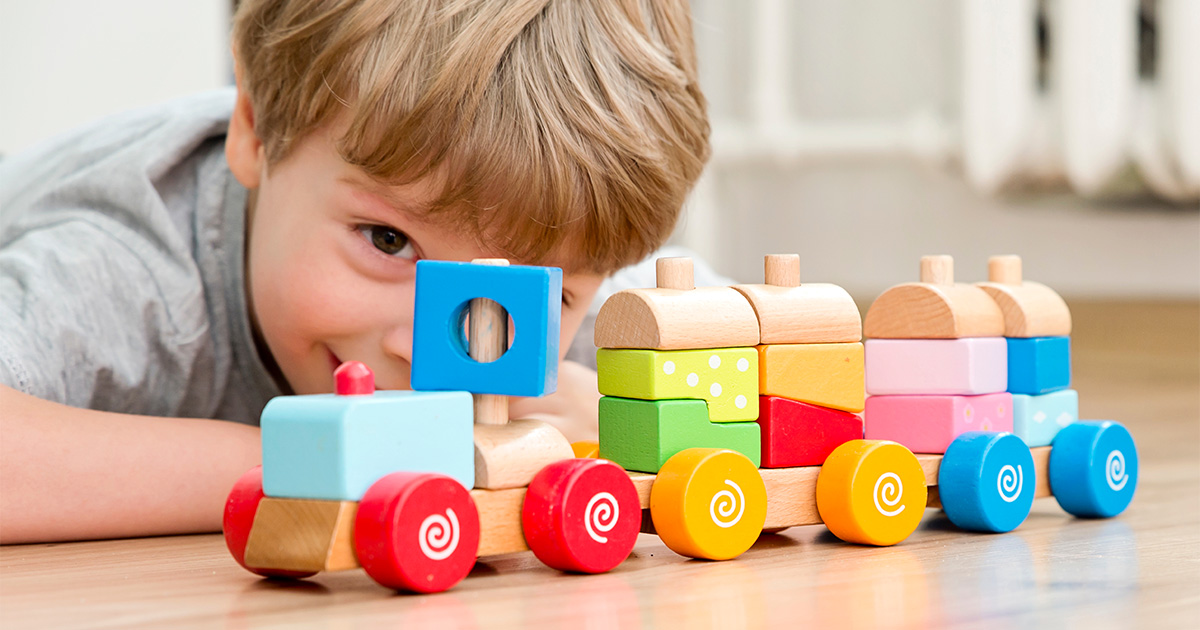
The month of December is the biggest gift-giving month of the year, but toys are a popular go-to for children, no matter what season, including birthdays and other occasions. As you shop for the perfect present, remember to make safety a top priority when making selections. We want little ones to love their new goodies while staying safe during playtime.
DID YOU KNOW? Each day, nearly 14 young children receive emergency care after swallowing or inhaling toys. Frequent injuries occur primarily because of small parts. Even though toy safety has improved over the years, you should still take extra precautions to keep your children safe, even amid the rush of checking things off your list (and theirs).
The Safety Team at Learning Care Group takes this job very seriously—in our classrooms and beyond! Keep the following tips and recommendations in mind to ensure your family’s gift-giving experiences are a safe and cheerful time for children of all ages.
Toy Safety Tips
- By Age: Check age recommendations on the warning labels or packaging. Toys should be shared with children based on their appropriate age and level of ability.
- Standards: All toys should pass ASTM standards. The organization, formerly known as the American Society for Testing and Materials, inspects toys for children aged 14 and under.
- Keep Watch: Separate toys and play by age group. Keep a close eye on the placement of older children’s toys, as those may pose a risk to curious younger siblings.
- Store Properly: Once playtime is over, the toys should be kept out of reach from little ones. This gives you peace of mind that younger children won’t get into something not intended for them.
- Check Recalls: Visit Recalls.gov to check all active toy recalls so you are informed and aware.
Be Cautious of Toy Dangers
- Inspect all toys before purchasing. Look for sharp edges or points.
- Avoid toys with parts that can shoot objects or quickly fall apart.
- Check for small parts that could include batteries and magnets. If batteries are required, secure them firmly so children cannot access them.
- Prioritize well-made stuffed toys. It should be machine washable. Avoid products made with small pellets that could become a choking hazard. Remove loose strings or ribbons. Inspect each part to ensure it is sturdy and has no tears.
- Avoid overly loud toys that could cause damage to your child’s hearing.
- Be aware of toys made with toxic materials. Read the label stating “non-toxic.” If you think your child has been exposed to a toy with poisonous materials, remove the toy immediately and call your child’s healthcare provider.
- Inspect for potential choking hazards or any small loose parts. Look for pieces that are smaller than your child’s mouth and favor those that are bigger to avoid an issue.
- Stay clear of electric toys and cords around infants or young children. They require close supervision.
- Paint and crayons should be labeled as ASTM D-4236 to meet non-toxic safety requirements.
- Encourage safety gear (helmet, knee pads, or goggles) for sports-related play. When buying safety gear for children, ensure it fits appropriately to provide the best protection.
- After unwrapping gifts, remove all plastic wrappings and tags.
Active supervision is essential to provide a fun, hazard-free environment for playing inside and out.
Spreading awareness about toy safety can prevent critical injuries. We hope these guidelines help you make informed decisions about buying the safety toys for your loved ones during any season!
About the Author
Erica Jagotka

Erica Jagotka is a seasoned education and health professional with 20+ years of experience advancing safety and quality practices in early childhood education. As the Health & Safety Manager at Learning Care Group (LCG), she leads company-wide safety communications and initiatives that support consistent, high-quality safety practices in early childhood education, creating spaces where children feel secure, confident, and ready to learn. Her current focus is on strengthening partnerships between educators and families through shared safety awareness. Together, building a SAFE foundation to instill the love to learn.